
// pillar 09 of 10
Mobile apps that survive the next iOS/android release.
iOS and Android from a shared codebase, with store publishing and continued maintenanc, not just the first release.
// what it is
What it is.

// context
The problems we usually find.
-
The app exists but nobody uses it
It was built to demo, not to work: every task takes more steps than the manual method it replaced.
-
It stood still
It works on older devices, fails on recent iOS and Android versions, and the store has already warned it will stop accepting it.
-
The field is disconnected from the office
People working outside have no access to the system, and the information only arrives when someone comes back at the end of the day.
// scope
What we deliver.

// proof
Projects in this area.
Cases and post-mortems from our work. The post-mortems include what went wrong, by editorial choice.
-
project
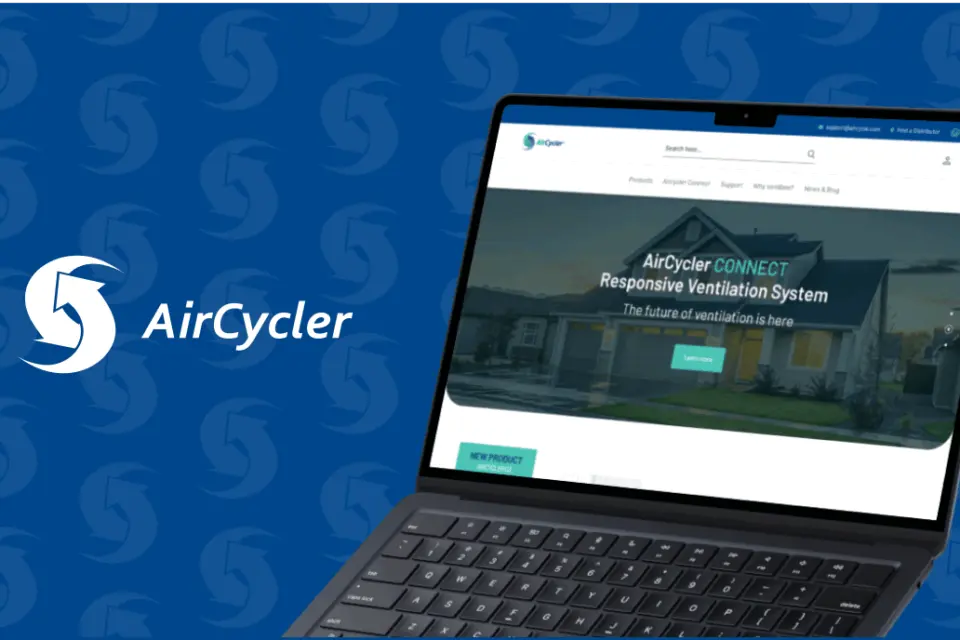
HVAC
AirCycler
An integrated platform to manage indoor air quality devices, from purchase to setup and ongoing operation.
-
case study
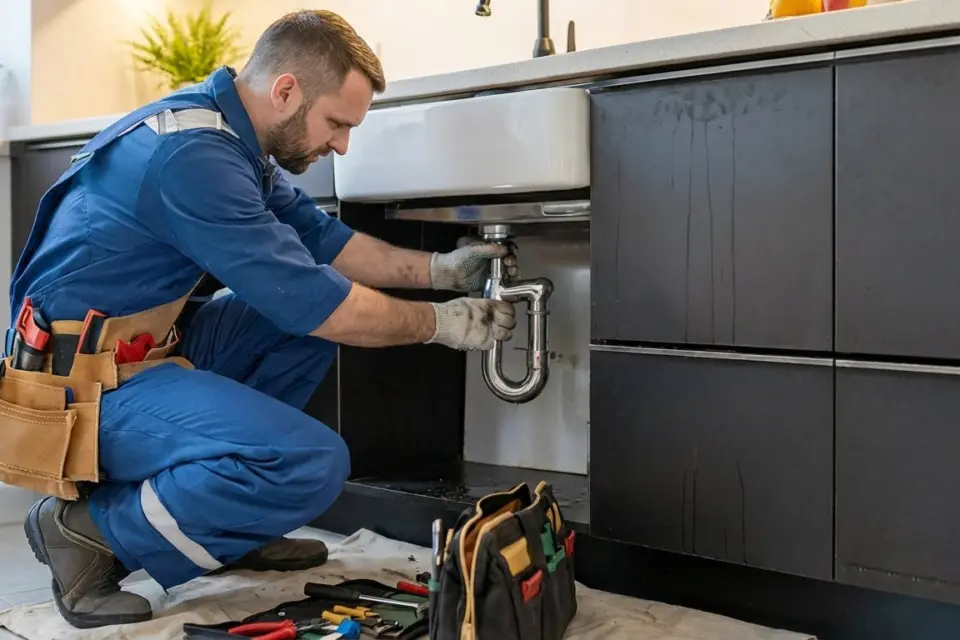
Piquet: How We Built a Service Marketplace Inspired by the Uber Experience for Everyday Gigs
Piquet set out to create a modern digital marketplace for services in Portugal, one that simplifies booking for customers while giving professionals real visibility, control, and opportunity.
-
project
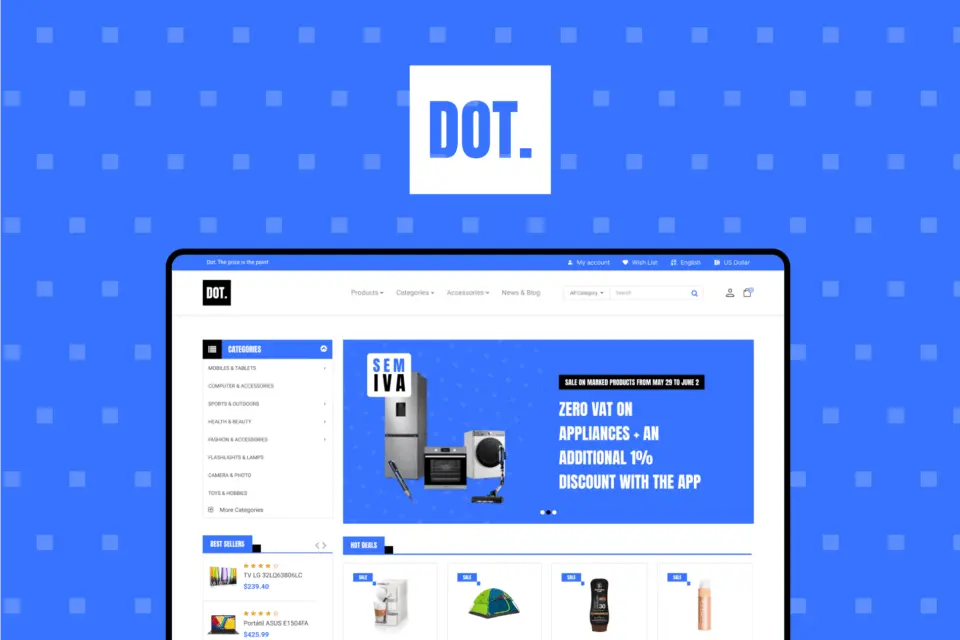
eCommerce Solutions
Dot
Dot is a powerful e-commerce solution developed for a fast-growing marketplace focused on product variety, speed, and usability. Built to support thousands of daily transactions, the platform combines modern UX with automation and clarity, delivering a buying experience that feels familiar yet deeply optimized.
// frequently asked
About Mobile Apps.
Native or cross-platform?
React Native by default: one codebase, two stores and a materially lower maintenance cost. When there is a genuine hardware or graphics-performance requirement, we recommend native — but that is the exception, not the rule.
Do you handle store publishing?
Yes, including developer accounts, Apple and Google privacy requirements and following the review process through.
Does the app work without a connection?
If the operation requires it, yes. Data is stored on the device and syncs when there is a connection, with the conflict-resolution rule agreed with you up front. When the back office also needs building, that part lives in Custom Development.
// next step
Shall we talk about your case?
Thirty minutes on mobile apps: you describe the problem and we tell you the path we recommend — including when that path is not us.
-
Diagnosis
30 min. We identify the right pillar.
-
Priorities
Explicit trade-offs · realistic phasing.
-
Proposal
Scope, timeline, team and investment in writing.