// pillar 06 of 08
Cadence, decisions and maintenance — with a named owner.
Project management, technical due diligence, ongoing support and fractional technical leadership — the layer that keeps the rest predictable.
// what it is
What it is.
// context
The problems we usually find.
-
The vendor delivered and moved on
The system is in production with no team that knows it. Every minor request means its own quote and weeks of waiting.
-
Evolution without defined priorities
What happens next depends on availability rather than an order agreed by impact and risk.
-
Technical decisions with nobody to own them
There are vendors, proposals and opinions — but nobody inside the company with the judgement and the mandate to decide.
// scope
What we deliver.
// proof
Projects in this area.
Cases and post-mortems from our work. The post-mortems include what went wrong, by editorial choice.
-
project
CRM
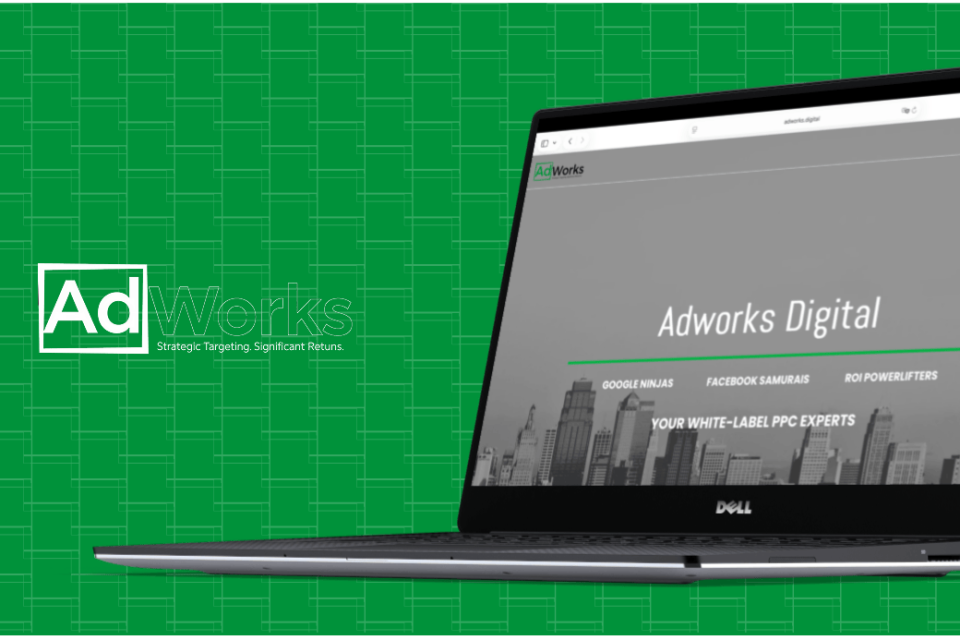
AdWork
AdWorks is a custom-built CRM designed to support the full lifecycle of website creation, migration, and ongoing maintenance for digital agencies. The client needed a centralised system capable of bringing together all project operations into one structured environment, allowing teams to manage multiple websites, clients, and technical processes with greater clarity and efficiency. Before AdWorks, many of these operations were spread across disconnected tools and manual workflows. This made it difficult for agencies to track progress, manage migrations, maintain websites consistently, and ensure clear communication between teams and clients. The goal was to create a unified platform that would streamline operations, improve visibility across projects, and provide a reliable foundation for long-term website management. The CRM needed to support agencies working with multiple technologies and frameworks, while also allowing them to organise project data, automate repetitive tasks, and monitor ongoing maintenance activities. It had to be flexible enough to adapt to different client needs and scalable enough to grow alongside the agencies using it.
-
case study
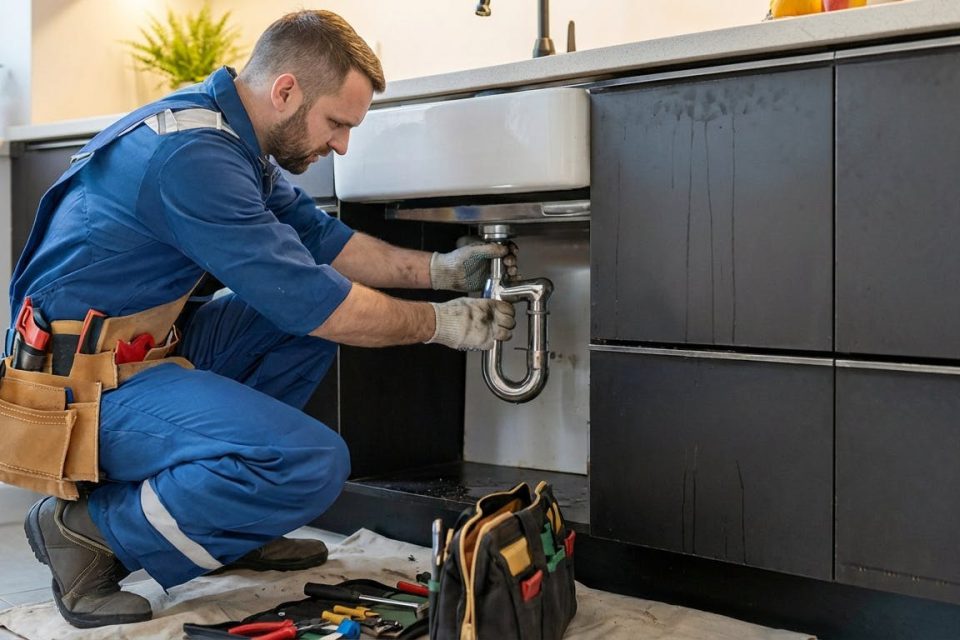
Piquet: How We Built a Service Marketplace Inspired by the Uber Experience for Everyday Gigs
Piquet set out to create a modern digital marketplace for services in Portugal, one that simplifies booking for customers while giving professionals real visibility, control, and opportunity.
-
project
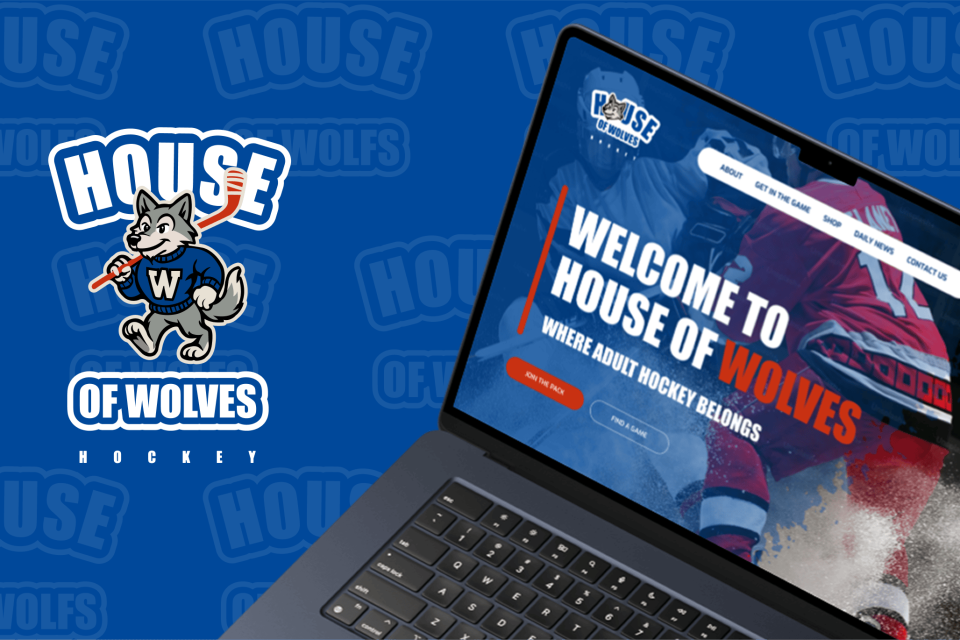
Media & Entertainment
House of Wolves
We partnered with House of Wolves Hockey to modernize their internal system, originally manual and fragmented, into a fully automated game and group management platform. Focused on recreational hockey across the US, the platform lets players register, manage passes, join teams, get updates, and handle cancellations, all in one place.
// frequently asked
About Delivery & Governance.
Do you take over code written by another team?
Yes, often. We start with an assessment of the real state — code, tests, infrastructure and risks — and deliver an objective report, including the cases where we recommend not continuing on the current base.
How does the retainer work?
We reserve team capacity per month, with an agreed cadence, and priorities are reviewed together each cycle. It is not an hour bank for emergencies.
What does a technical due diligence include?
State of the code and architecture, test coverage, dependencies and security risks, predictable maintenance cost, and a clear opinion on what to do next. It is common in investment or acquisition contexts.
// next step
Shall we talk about your case?
Thirty minutes on delivery & governance: you describe the problem and we tell you the path we recommend — including when that path is not us.
-
Diagnosis
30 min. We identify the right pillar.
-
Priorities
Explicit trade-offs · realistic phasing.
-
Proposal
Scope, timeline, team and investment in writing.